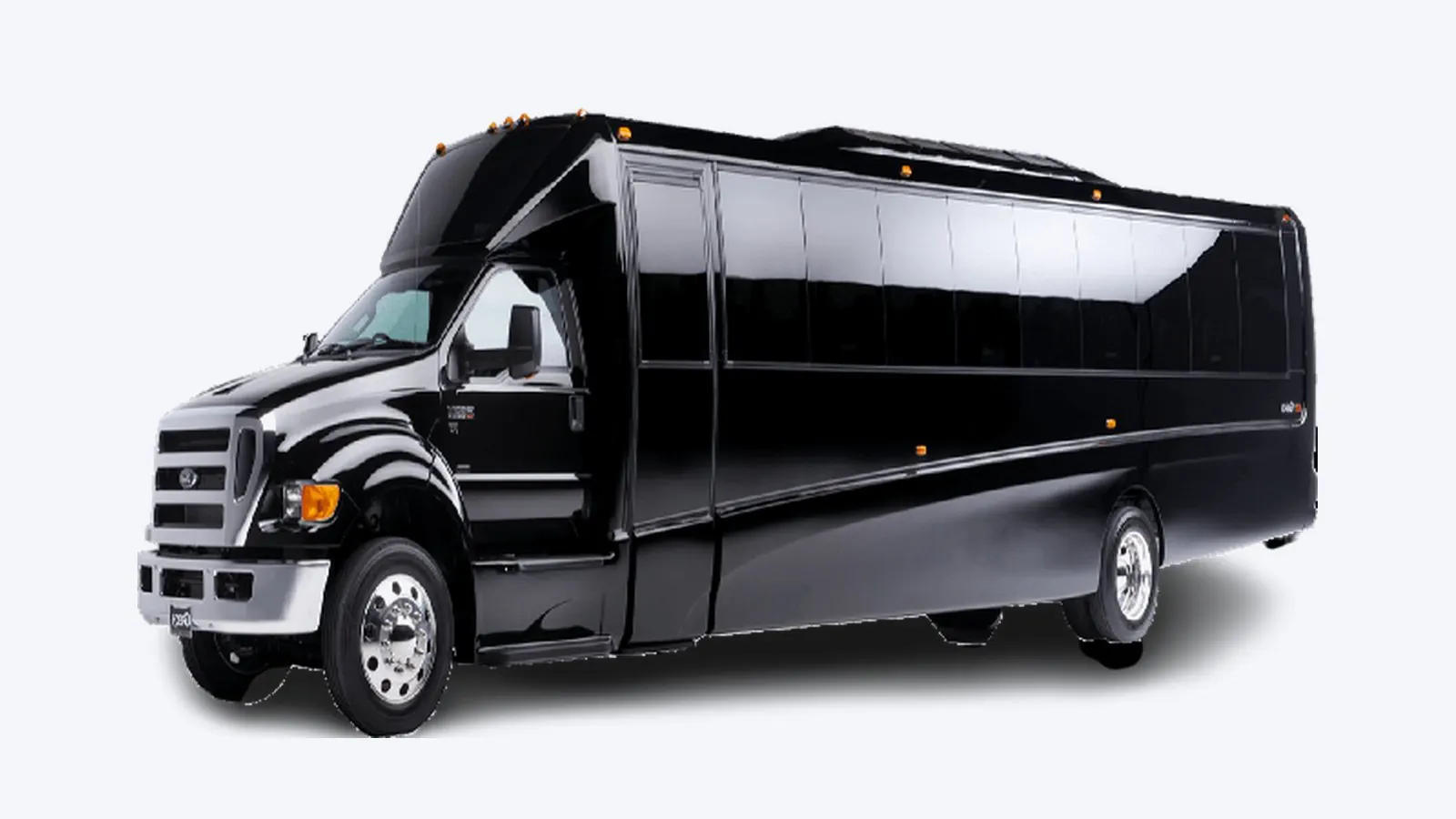
Diplomatic transport is judged on details most passengers never notice. The car that pulls up on the correct side for the flag, the chauffeur who opens the door in the right order, the arrival that happens at the exact minute the host is waiting on the steps. We work with missions and consulates on everything from a head of post’s daily car to a national day reception or a ministerial visit with twenty vehicles.
What we provide for missions and consulates
- Daily chauffeurs for heads of mission, consuls general and senior staff
- Motorcades for ministerial and head-of-state visits, coordinated with host security
- Delegation transport for summits, assemblies and bilateral talks
- Airport and FBO meets for arriving dignitaries, including protocol-lounge arrivals
- National day, reception and credential-ceremony arrivals timed to the programme
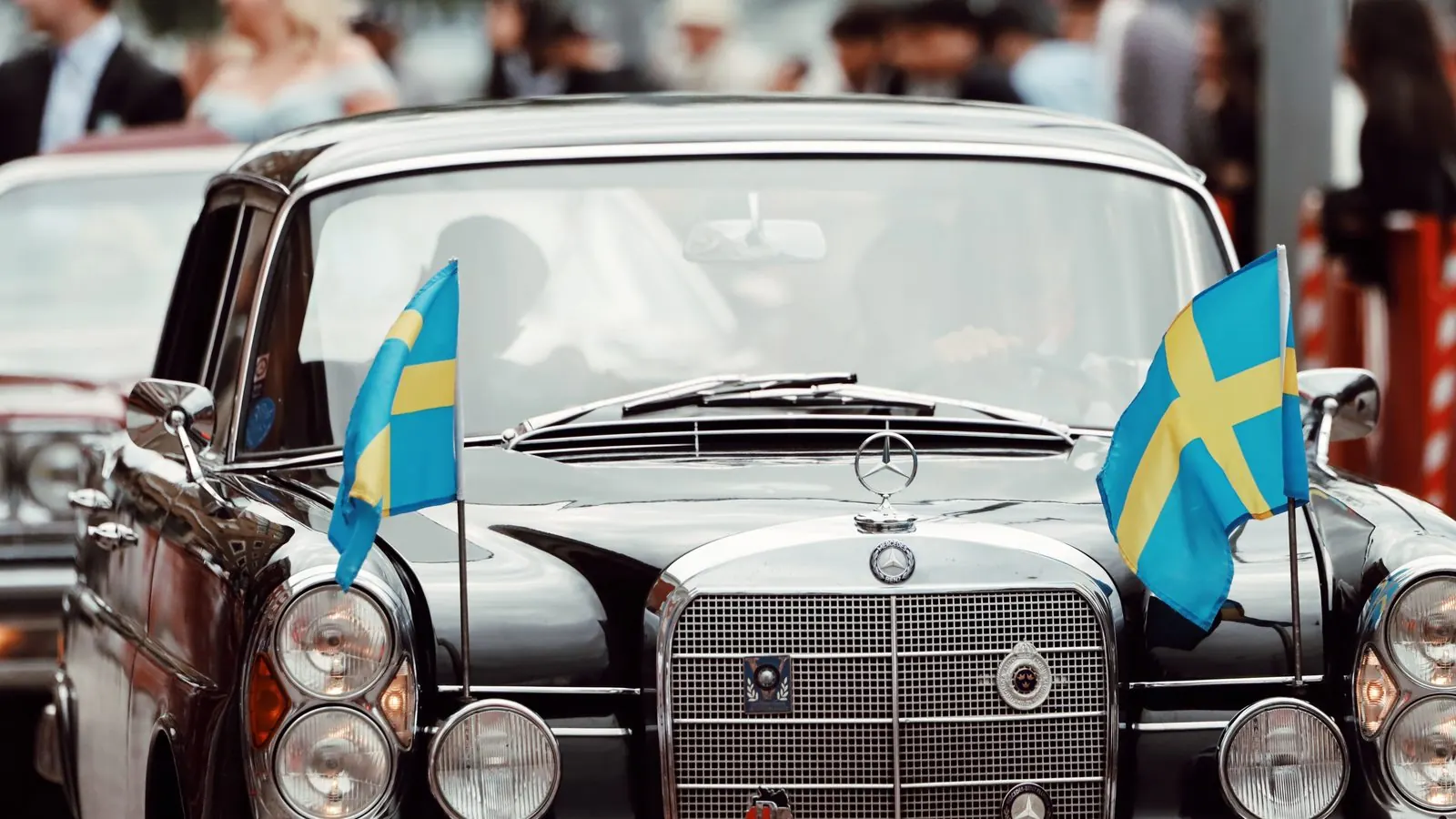
- Flag-ready vehicles with staff and pennant fittings where permitted
Every chauffeur on a diplomatic account is briefed before the first duty on order of precedence, door protocol, flag etiquette and the particular sensitivities of the mission. Where the mission has its own protocol office, we work to its instructions and keep its contact on every booking.
Working within the diplomatic framework
Missions operate within the Vienna Conventions on Diplomatic Relations (1961) and on Consular Relations (1963), and within the host country’s own rules for official vehicles and visiting delegations. We do not pretend to be part of that framework; our role is to supply the vehicles and chauffeurs that fit inside it, follow the mission’s protocol office, and coordinate with host-nation security and the venue when a visit requires it.
In practice that means we take instructions on routes, timings and set-down points from the people responsible for them, keep our booking records restricted, and make sure our chauffeurs understand who they answer to on the day.
Vehicles for diplomatic work
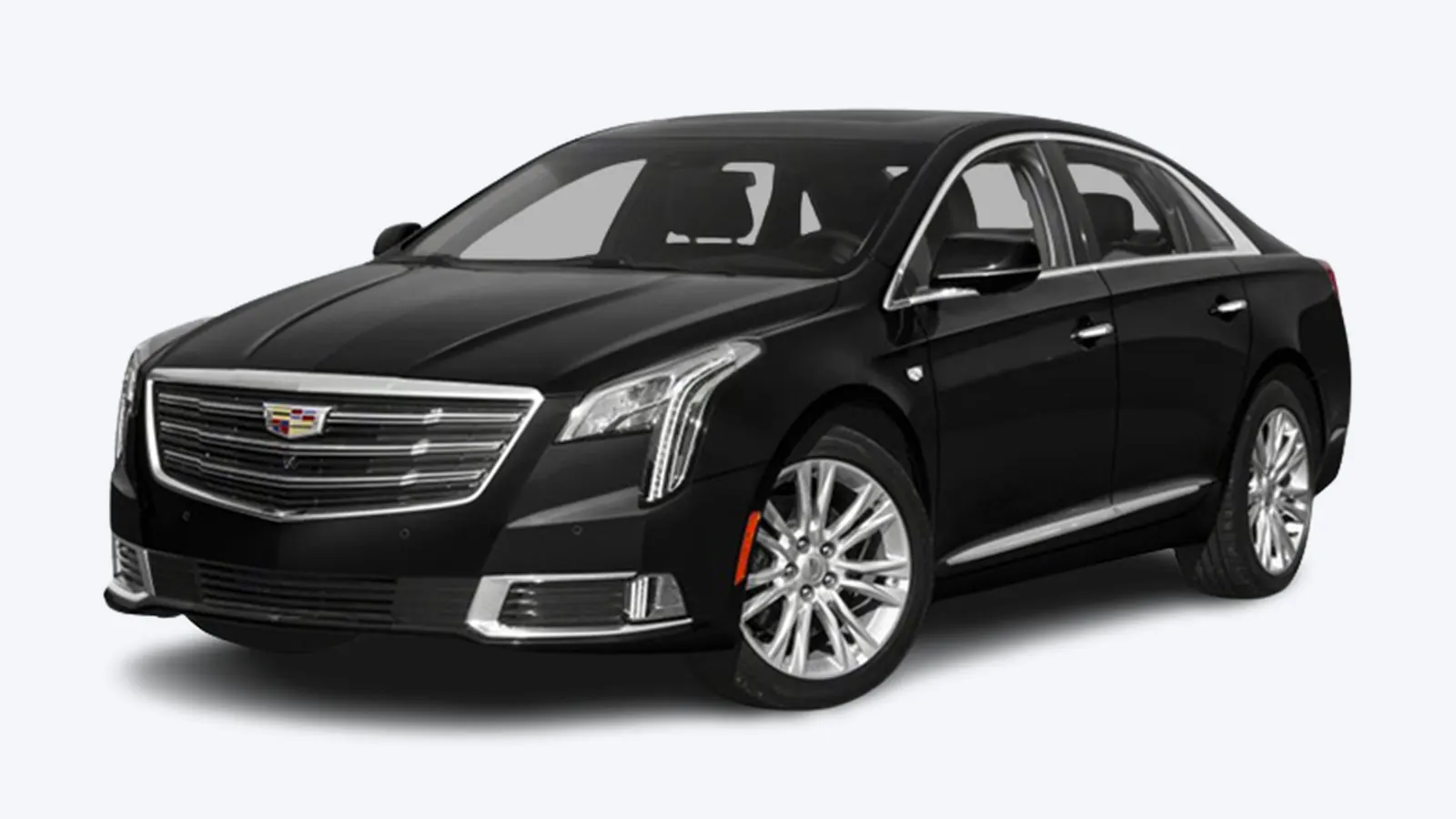
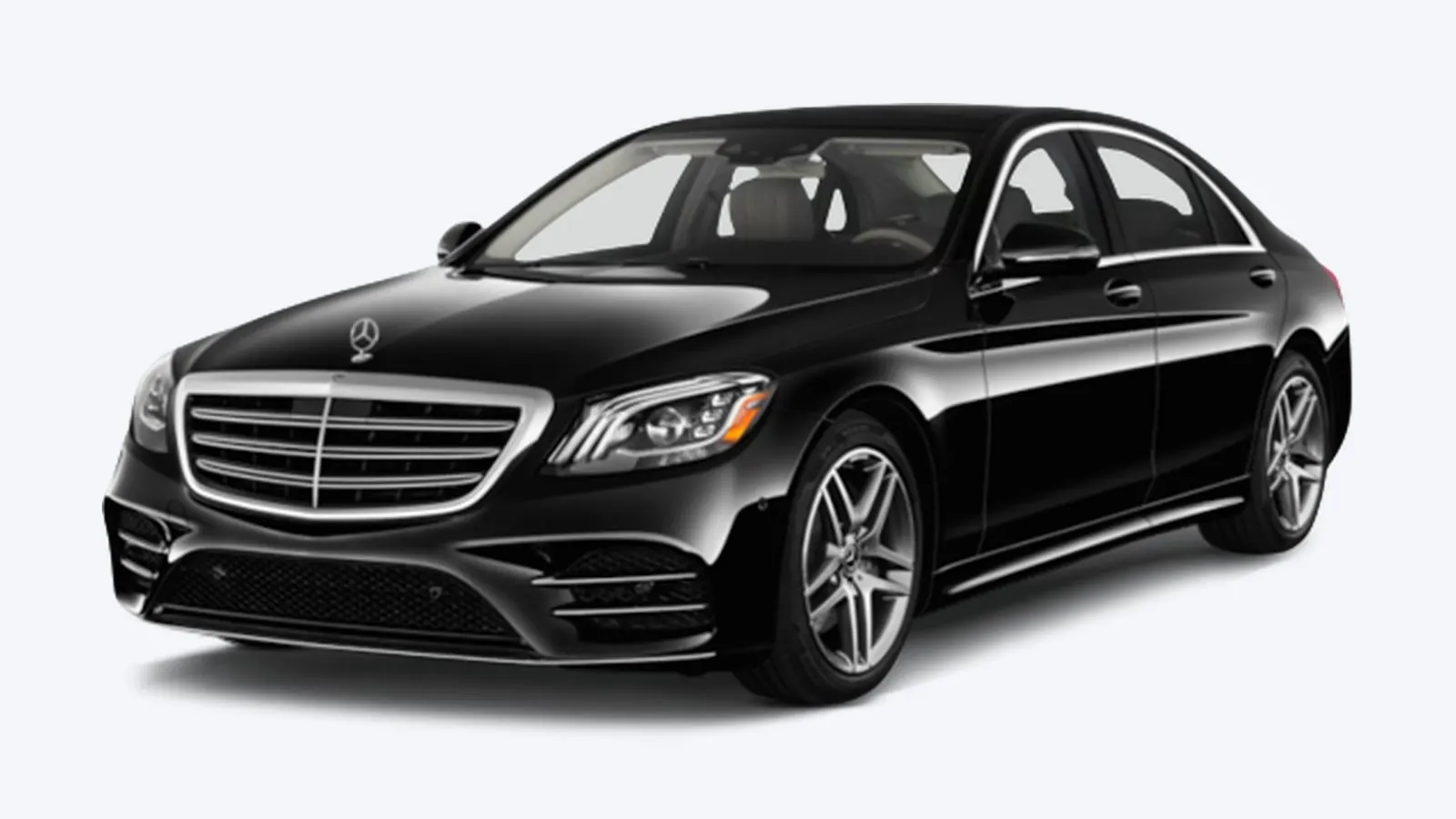
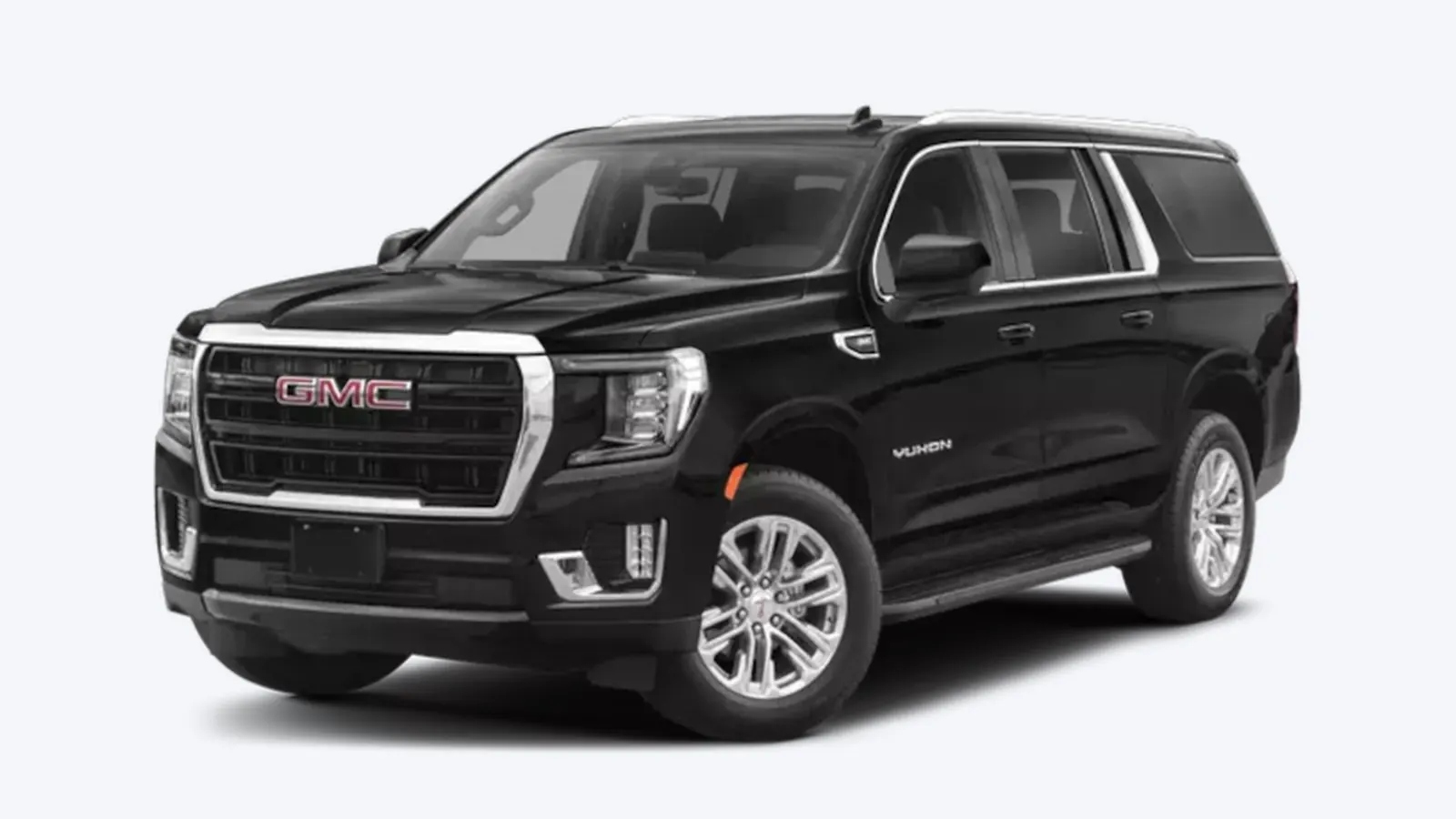
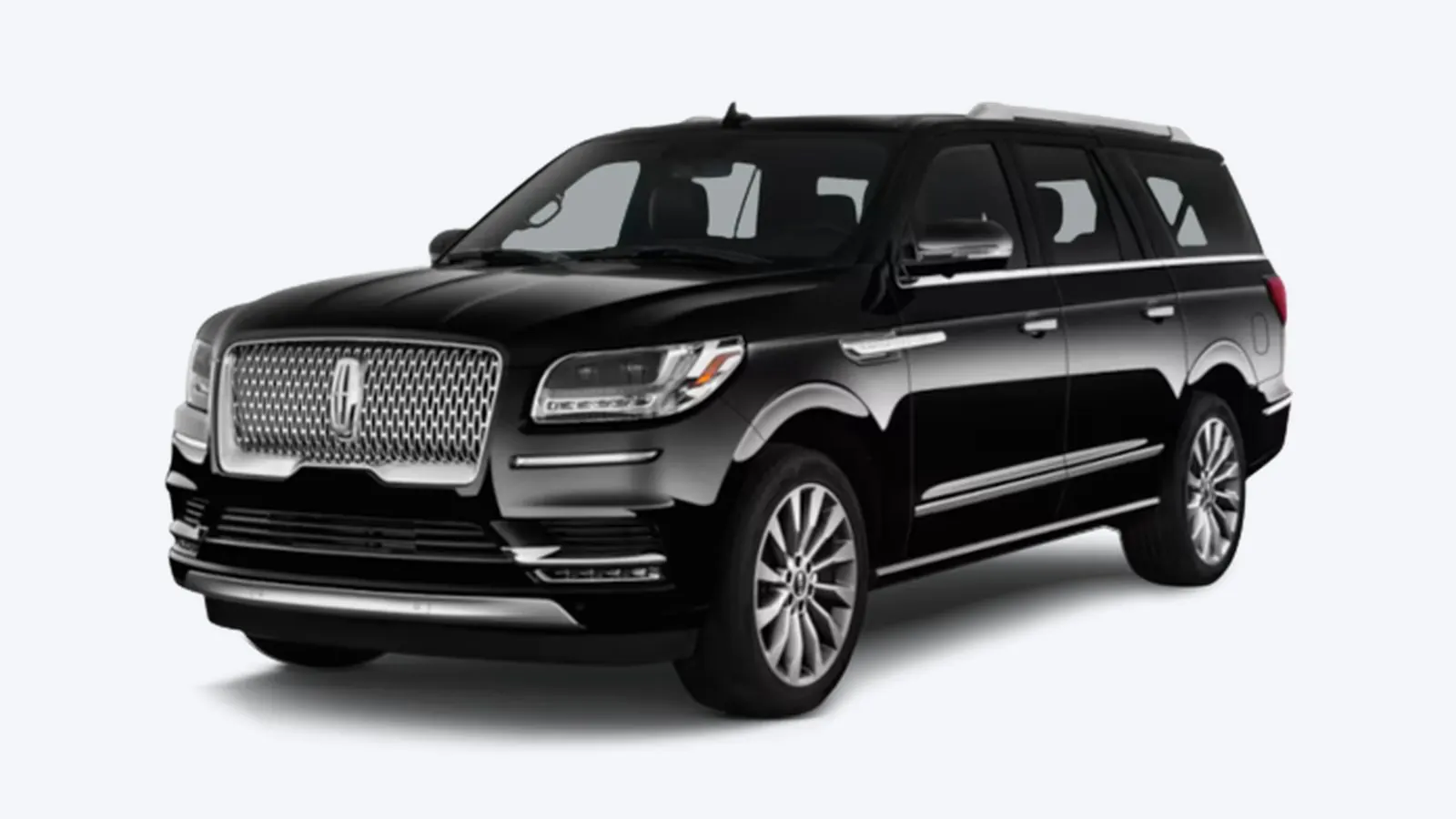
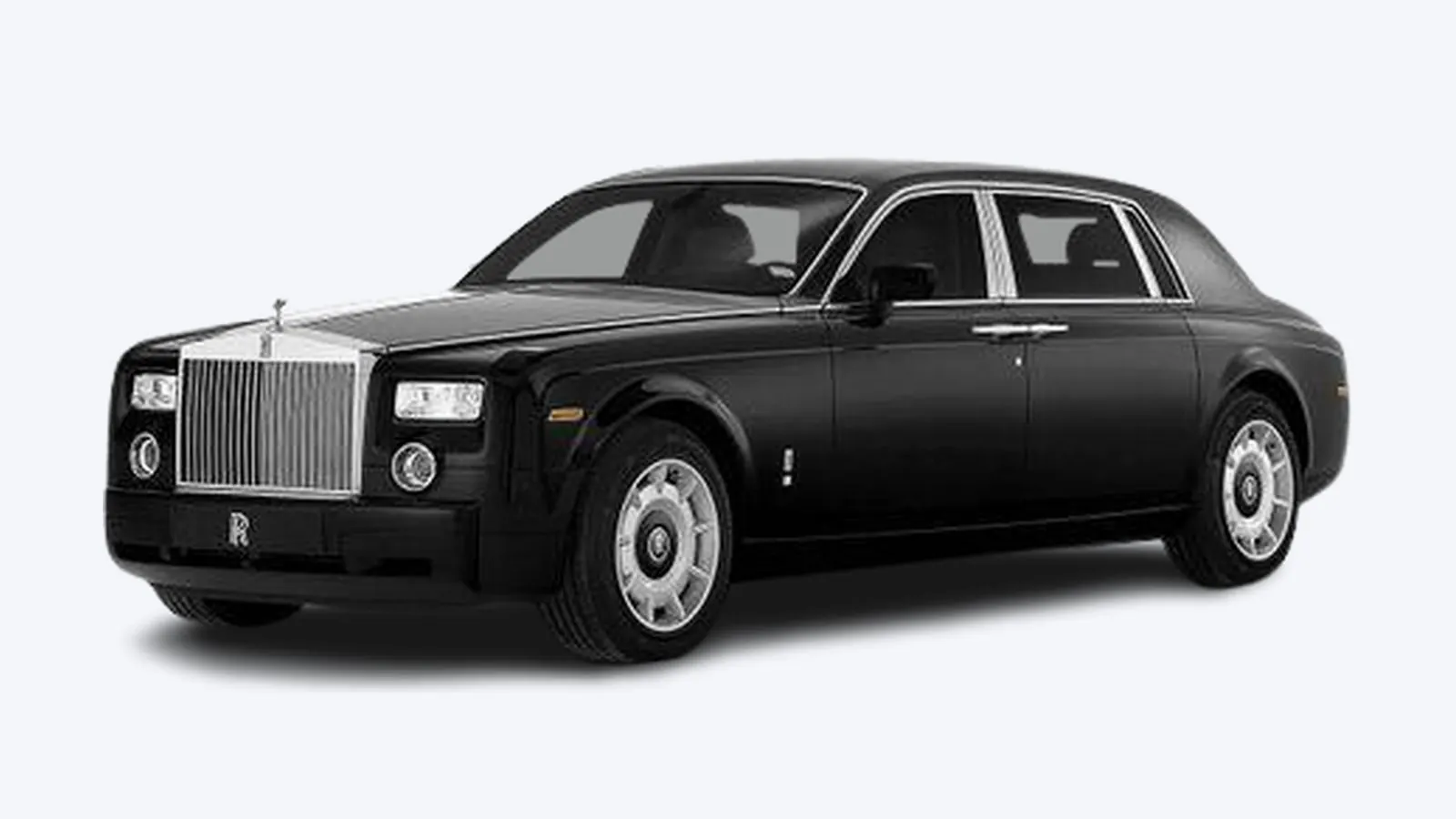
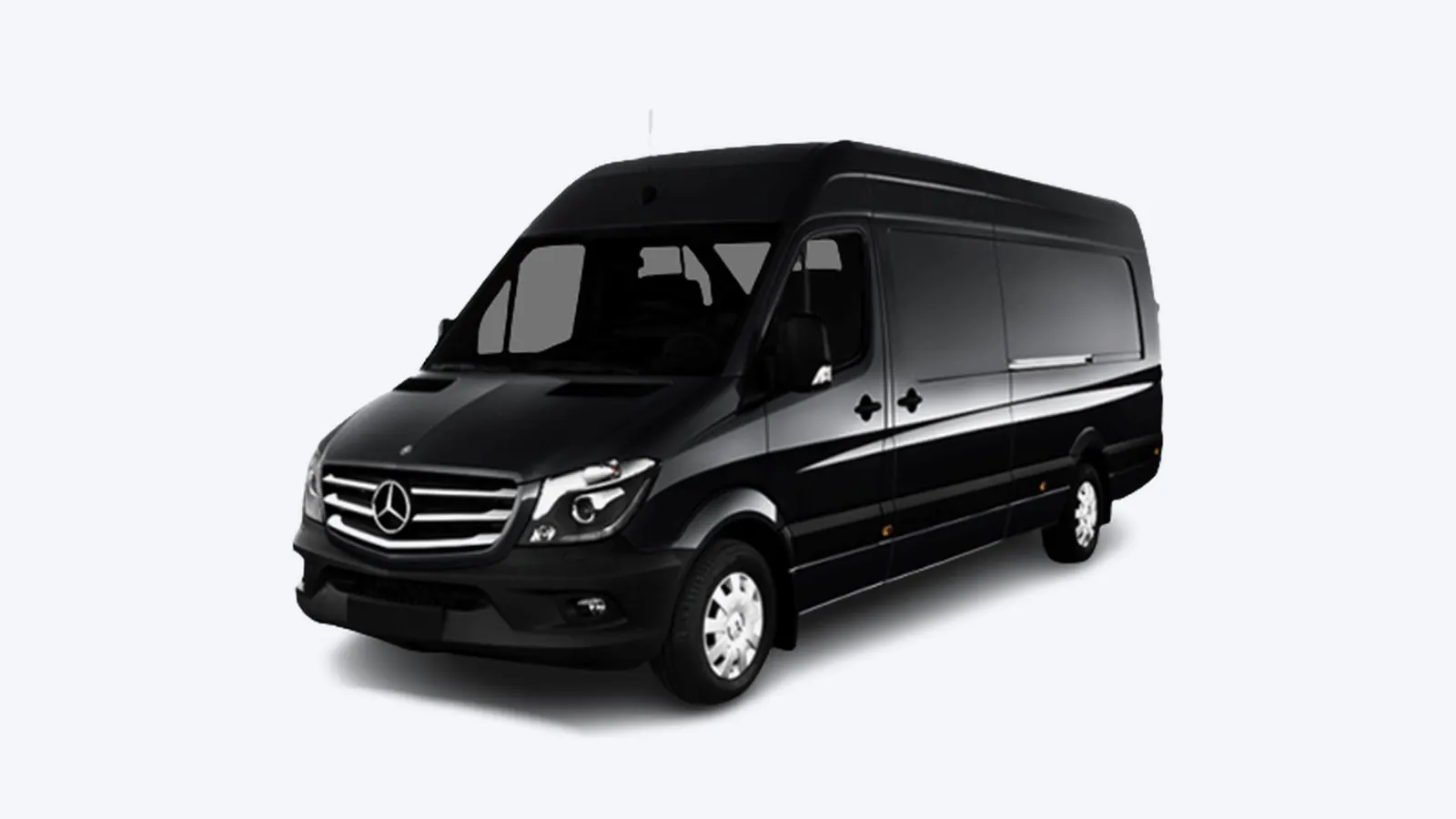
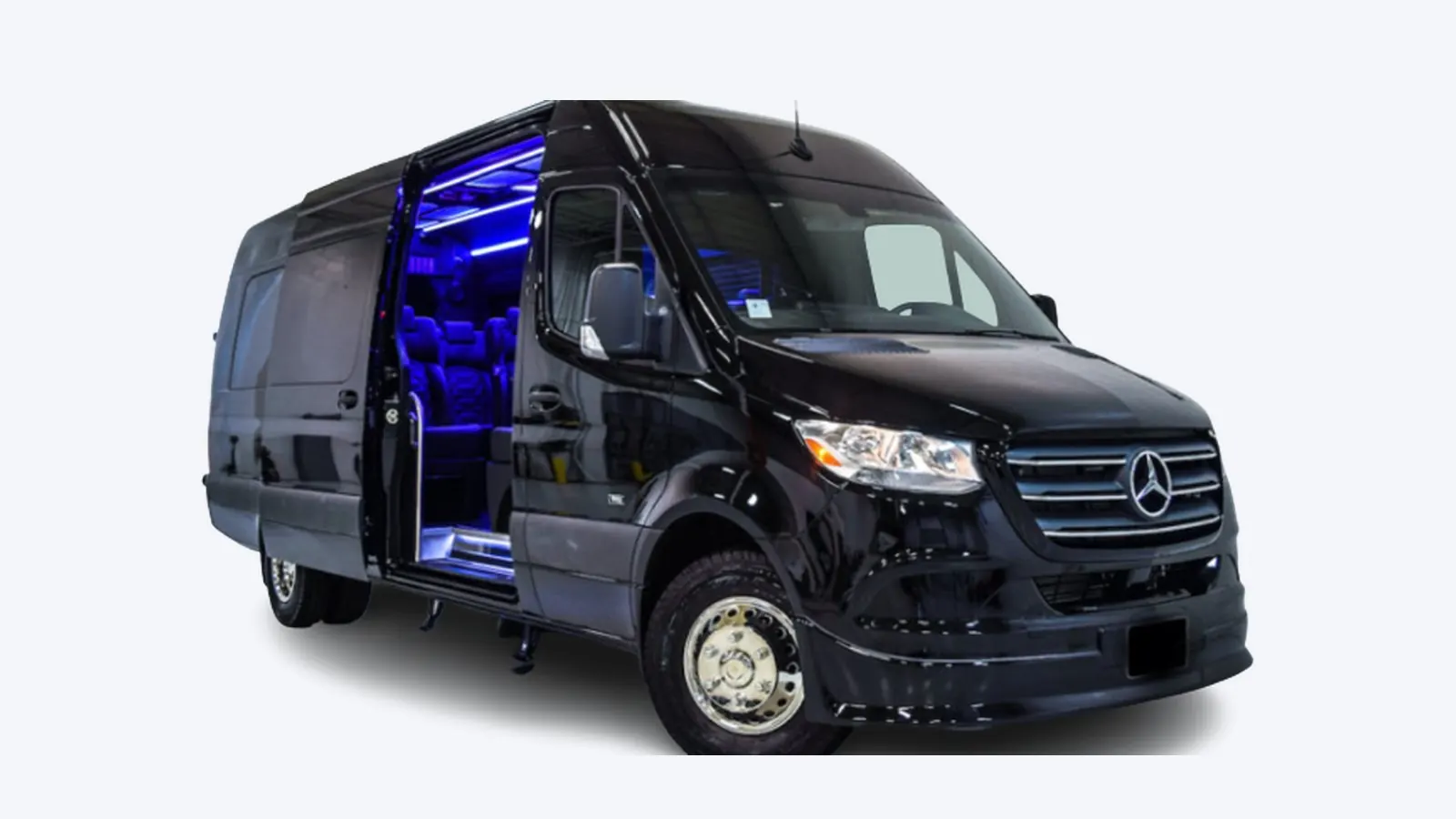
Most heads of post are driven in a first-class sedan: a Mercedes-Benz S-Class, BMW 7 Series or Genesis G90. Delegations and protection teams generally use SUV First vehicles, and staff movements use business sedans or SUVs. For larger delegations we add 14-seat executive Sprinters and coaches, and for higher-threat visits armored vehicles by special quote.
All rates are in US dollars, all-in, with taxes and a 20% gratuity included. Each day includes 93 miles; extra miles are $3, $4 or $8 depending on the car, and tolls, parking and Wi-Fi are passed on at cost. Out-of-town days are charged at the hourly rate plus 50%, with the chauffeur’s hotel and a $100 travel allowance added.
Delegations and summit weeks
When a delegation arrives for a summit, a general assembly or a state visit, we assign a single coordinator who holds the manifest, the vehicle allocation and the programme. Changes from the protocol office are reflected across every car at once, not passed from driver to driver. Arrival legs from commercial terminals and private-aviation FBOs are tracked by flight or tail number.
For long engagements, such as a mission’s permanent car or a consulate’s visiting-official programme, we recommend a monthly or yearly arrangement, so the same chauffeurs return each time and already know the residence, the chancery and the routes between them.
A ministerial visit, from our side
A typical visit begins with the protocol office sending a draft programme. We return a vehicle plan: the principal’s car, a staff car, a car for the advance team and, where needed, a Sprinter for the delegation and luggage. Each vehicle has a named chauffeur and a call sign agreed with the mission. Routes are surveyed in advance and timed at the hour of travel, not at midnight on an empty road.
On arrival day the cars are staged at the terminal or FBO before the aircraft lands. The principal’s chauffeur waits at the agreed point, the staff car takes the luggage, and the coordinator stays in contact with the protocol officer throughout. After the visit the mission receives one invoice for the whole programme, itemised by vehicle and day.
Protocol details our chauffeurs are briefed on
- Seating the principal behind the front passenger seat, with the flag on the correct wing
- Opening doors in order of precedence and never before the host is ready
- Holding position at set-down until released by the protocol officer
- Neutral, formal dress and conduct, with no conversation unless invited
- Never discussing the programme, the passengers or the venue with anyone
- Following the instructions of host security and the venue without debate
Consulates and everyday consular work
Not all diplomatic transport is ceremonial. Consulates need reliable daily cars for staff, airport collections for visiting officials, transport for nationals in distress when the consulate arranges it, and cars for receptions and community events. A monthly block keeps that work on one rate and one invoice, with chauffeurs who know the consulate’s address, the residence and the security procedures at both.
Working with national day and reception programmes
National day receptions, credential ceremonies and official dinners bring a different challenge: dozens of guests arriving inside a short window, each expecting the same standard. We provide a dedicated arrivals plan with staggered pickups from hotels, a staging area near the venue, and chauffeurs who know the order in which senior guests should be set down. A coordinator on site keeps in contact with the mission’s protocol officer so that late arrivals, early departures and last-minute guests are handled without disturbing the event itself.
Billing and paperwork
Diplomatic clients usually need purchase orders, specific invoice wording or vendor registration. We work inside your procurement process. Contract terms, payment schedules and any tax-exemption documentation the mission provides are handled in the written agreement rather than published here, because they vary by mission and host country.